- Your cart is empty
- Continue Shopping




€60
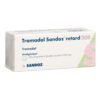
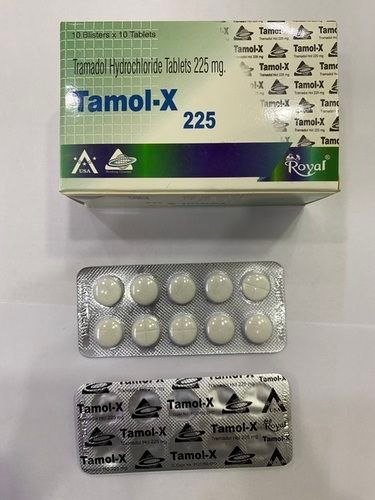
Tamol-X 225mg is a prescription medication commonly available in regions like India and parts of Asia. Here’s a clear breakdown based on reliable pharmacological data:
Tramadol binds to mu-opioid receptors in the brain and spinal cord to block pain signals. It also inhibits norepinephrine and serotonin reuptake, enhancing its pain-relieving effects (dual mechanism, similar to tapentadol but weaker).
| Condition | Typical Starting Dose | Max Daily Dose | Notes |
|---|---|---|---|
| Acute Pain | 50-100 mg every 4-6 hours (IR form; not this ER version) | 400 mg | Titrate slowly. |
| Chronic Pain | 100-225 mg once daily (ER like Tamol-X) | 400 mg | Swallow whole; don’t crush/chew. Adjust for elderly/kidney issues. |
| Renal Impairment | Reduce to 50-100 mg/day | 200 mg | Monitor closely. |
| Common (10-20%) | Serious (Seek Immediate Help) |
|---|---|
| Nausea, dizziness, constipation, headache, drowsiness | Respiratory depression, seizures (risk ↑ with >400 mg/day or SSRIs), serotonin syndrome, addiction/overdose |
| Dry mouth, sweating | Hypersensitivity (rash, anaphylaxis), hallucinations |
| Drug/Class | Effect |
|---|---|
| SSRIs/SNRIs (e.g., sertraline) | ↑ Seizure/serotonin syndrome risk |
| Alcohol/Benzos | ↑ Sedation/respiratory depression |
| CYP2D6 inhibitors (e.g., fluoxetine) | Reduced efficacy |
| Warfarin | ↑ Bleeding risk |
Important: This is general info from sources like Drugs.com, PubMed, and manufacturer data (e.g., Torrent Pharma for Tamol-X). Not medical advice—consult a doctor/pharmacist for personal use, as it requires a prescription. Misuse can be dangerous or illegal.
 English English
  German
 Italian
 Dutch
Dutch
 Spanish