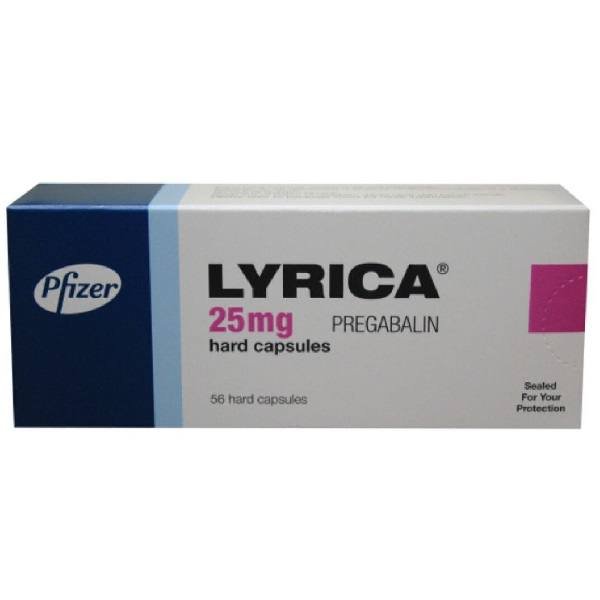
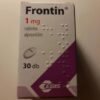
Lyrica Pregabalin Capsule

Lyrica Pregabalin Capsule

Sold: 0

Price range: €145 through €700

Quantity
Choose an option
Lyrica Pregabalin Capsule
Add to cart
Buy Now
SKU: N/A Category: Tag:

Product Description

Lyrica Pregabalin Capsule

Lyrica Pregabalin Capsule is the brand name for pregabalin, a prescription medication classified as an anticonvulsant and neuropathic pain agent. It works by calming overactive nerve signals in the brain and nervous system. It’s available in capsule form (typically 25 mg, 50 mg, 75 mg, 100 mg, 150 mg, 200 mg, 225 mg, or 300 mg strengths) and is taken orally, usually 1–3 times daily with or without food.

Primary FDA-Approved Uses

  • Neuropathic pain associated with diabetic peripheral neuropathy.
  • Postherpetic neuralgia (nerve pain after shingles).
  • Fibromyalgia (chronic widespread pain).
  • Partial-onset seizures (as adjunctive therapy in adults).
  • Spinal cord injury (neuropathic pain).

Off-label uses (common but not FDA-approved): Generalized anxiety disorder, restless legs syndrome, and chronic pain conditions.

Dosage Guidelines (Adults)

Dosing varies by condition; always follow a doctor’s prescription. Typical starting doses:

Condition Starting Dose Max Daily Dose Notes
Neuropathic Pain 150 mg/day (divided) 600 mg Titrate up over 1 week.
Fibromyalgia 300 mg/day (divided) 450 mg Adjust for tolerability.
Seizures (adjunct) 150 mg/day (divided) 600 mg Increase gradually.
  • Renal impairment: Reduce dose based on creatinine clearance (e.g., 50% reduction if CrCl 30–60 mL/min).
  • Tapering: Discontinue gradually over 1 week to avoid withdrawal (e.g., seizures, insomnia).

Side Effects

Common (10–30% of users):

  • Dizziness, drowsiness, dry mouth.
  • Weight gain, blurred vision, swelling (edema) in hands/feet.

Serious (seek immediate medical help):

  • Suicidal thoughts/behavior (black box warning).
  • Allergic reactions (rash, swelling, breathing issues).
  • Muscle pain/weakness (rhabdomyolysis risk).
  • Respiratory depression (especially with opioids or in elderly/COPD patients).

Evidence: From clinical trials (e.g., Pfizer’s pivotal studies), dizziness occurred in 30% vs. 8% placebo; discontinuation due to adverse events ~15–20%.

Warnings & Precautions

  • Dependency/Abuse: Schedule V controlled substance (low abuse potential but misuse reported, especially with opioids).
  • Pregnancy: Category C; may cause birth defects (use only if benefits outweigh risks). Registry available for monitoring.
  • Interactions: Potentiates CNS depressants (alcohol, opioids, benzodiazepines → respiratory risk). Avoid abrupt stop.
  • Overdose: Symptoms include confusion, agitation, seizures; treated supportively (activated charcoal, hemodialysis effective).

Evidence Base

  • Efficacy: Meta-analyses (e.g., Cochrane reviews) confirm moderate pain relief (30–50% response rate) for neuropathy/fibromyalgia, superior to placebo (NNT ~4–7).
  • Safety: Long-term data from post-marketing surveillance shows ~1–2% serious adverse events; withdrawal syndrome in 10–20% if stopped abruptly.

Important: This is general information from sources like FDA labeling, Pfizer prescribing info, and PubMed reviews (e.g., Moore et al., 2014 on pain efficacy). Not medical advice. Consult a healthcare provider for personalized use, as individual factors (e.g., kidney function, other meds) matter. If experiencing side effects or considering use, see a doctor. For full details: FDA Label.

Additional Information

Quantity

20, 40, 50, 100

Top