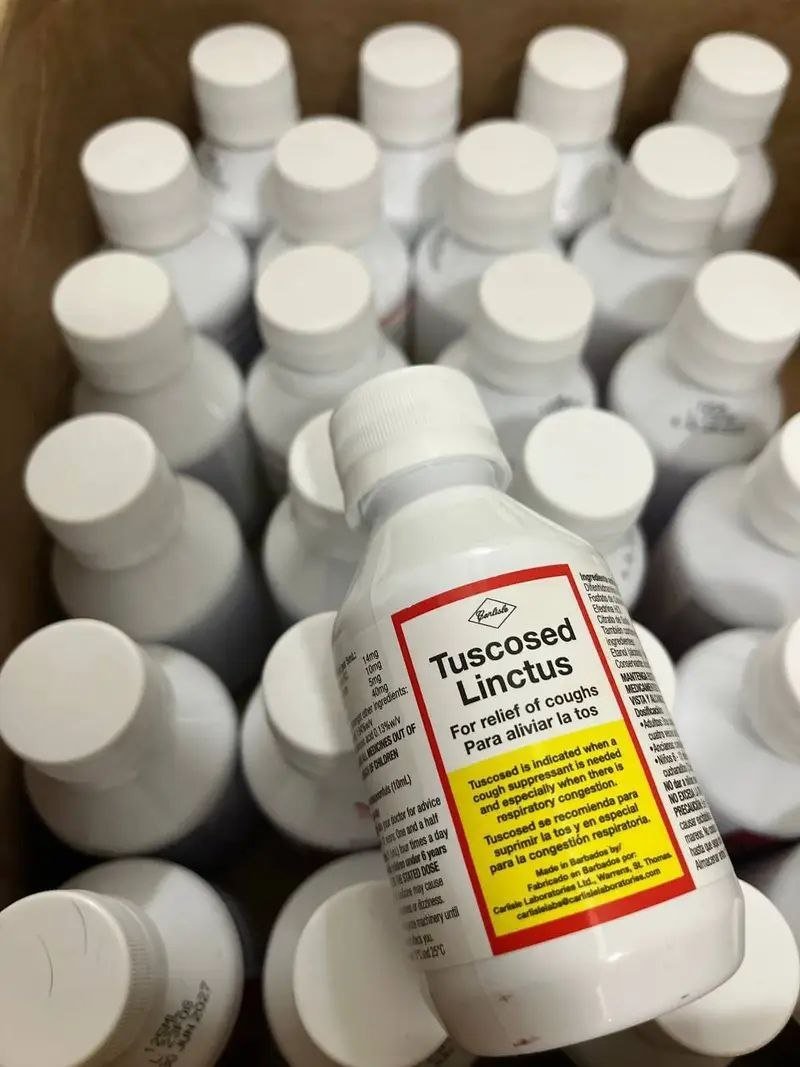
Tuscosed Linctus

Tuscosed Linctus

150

Tuscosed Linctus

150

Add to cart
Buy Now

Product Description

Tuscosed Linctus

Tuscosed Linctus is a prescription-only cough syrup primarily used in some countries (like the UK and parts of Europe) to suppress persistent, dry coughs associated with conditions such as the common cold, flu, bronchitis, or whooping cough. It’s not widely available in places like the US due to regulatory restrictions on its key ingredient.

Key Ingredients (per typical 5ml dose)

Ingredient Amount Purpose
Codeine Phosphate 10 mg Opioid antitussive (cough suppressant); acts on the brain’s cough center to reduce the urge to cough.
Diphenhydramine Hydrochloride 15 mg Antihistamine with sedative and mild antitussive effects; helps with allergy-related coughs and promotes sleep.
Other excipients Varies Includes glycerol, sucrose, ethanol (small amounts), and flavorings for syrup base.

Uses

  • Primary: Relief of non-productive (dry/irritating) coughs in adults and children over 1 year (dose-adjusted).
  • Secondary: Sedative effect from diphenhydramine can aid restful sleep during illness.
  • Not for productive (chesty) coughs, as it suppresses mucus clearance.

Dosage (Adults, unless specified)

  • Standard: 5-10 ml every 4-6 hours (max 60 ml/day).
  • Children: Lower doses based on age/weight; e.g., 1-5 years: 2.5 ml; not for under 1 year.
  • Shake well before use; take with water if needed.
  • Duration: Short-term (3-5 days); consult doctor if cough persists.

Side Effects

Common Serious (seek medical help)
Drowsiness, dizziness, dry mouth Respiratory depression, severe constipation, allergic reactions (rash, swelling), overdose symptoms (slow breathing, confusion, seizures)
Constipation, nausea Dependency risk with prolonged use (codeine is a controlled opioid)

Warnings & Precautions

  • Contraindications: Avoid in asthma, COPD, liver/kidney issues, glaucoma, prostate enlargement, or with MAOIs/alcohol.
  • Interactions: Potentiates sedatives, opioids, antidepressants; avoid driving/operating machinery.
  • Pregnancy/Breastfeeding: Use only if essential (codeine passes into milk).
  • Overdose Risk: High due to codeine; symptoms include coma. Naloxone reverses opioid effects.
  • Legal Note: Codeine makes it a controlled substance (Schedule 5 in UK). Misuse for euphoria (“purple drank” style) is illegal and dangerous—can cause addiction, overdose, or death.
  • Availability: Prescription-only; discontinued or reformulated in some regions due to abuse concerns.

Evidence & Facts

  • Efficacy: Codeine reduces cough frequency by ~50% in studies (e.g., Cochrane reviews on opioids for cough), but evidence is moderate; often no better than placebo for acute coughs.
  • Regulation: UK’s MHRA restricts codeine sales; FDA (US) bans OTC codeine syrups since 2018 due to pediatric risks.
  • Alternatives: Dextromethorphan (e.g., Robitussin), honey/lemons for mild cases, or prescription options like pholcodine.

Always consult a doctor/pharmacist before use—self-medication with opioids carries risks. If this is for a specific condition, provide more details for tailored advice. Sources: BNF, MHRA guidelines, PubMed studies on codeine antitussives.
Top