Contrave Tablets

Contrave Tablets

200

Contrave Tablets

200

Add to cart
Buy Now
Category: Tag:

Product Description

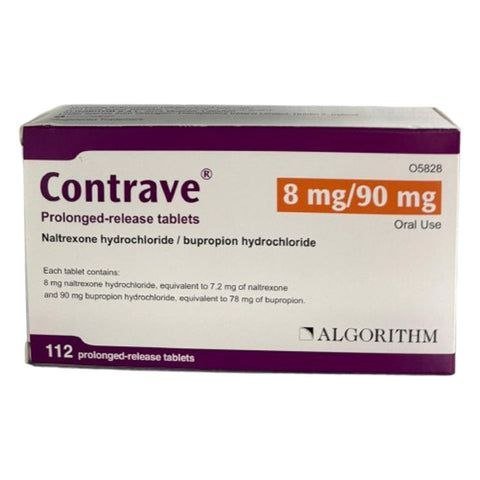
Contrave Tablets

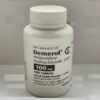
Contrave tablets (naltrexone HCl and bupropion HCl extended-release tablets) is a prescription medication approved by the FDA in 2014 for chronic weight management in adults with obesity (BMI ≥30 kg/m²) or overweight (BMI ≥27 kg/m²) who have at least one weight-related comorbidity, such as type 2 diabetes, hypertension, or dyslipidemia. It is used as an adjunct to a reduced-calorie diet and increased physical activity. It is not intended for cosmetic weight loss or short-term use.

How It Works

Contrave combines two active ingredients:

  • Naltrexone HCl (8 mg per tablet): An opioid receptor antagonist that may reduce appetite and food cravings by modulating reward pathways in the brain (e.g., blocking the hedonic effects of food).
  • Bupropion HCl (90 mg per tablet): A norepinephrine-dopamine reuptake inhibitor (NDRI) antidepressant that helps suppress appetite and may increase energy expenditure.

The extended-release formulation provides 24-hour coverage. Typical dosing starts at 1 tablet (8/90 mg) once daily for Week 1, escalating to a maximum of 2 tablets twice daily (total 32/360 mg/day) by Week 4, if tolerated.

Evidence: Clinical trials (e.g., COR-I and COR-II studies) showed ~5% average weight loss over 56 weeks vs. placebo (4-5% responders achieving ≥5% loss). A 2020 meta-analysis in Obesity Reviews confirmed modest efficacy (3-5 kg more than placebo) but emphasized lifestyle integration.

Dosage Forms

  • Strength: 8 mg naltrexone / 90 mg bupropion per oblong, film-coated tablet (yellow; imprinted “8/90”).
  • Packaging: Bottles of 60 or 120 tablets (28-day or 56-day supply at max dose).
  • Administration: Swallow whole with water; take with meals to reduce nausea. Avoid crushing/chewing.

Common Side Effects

Category Frequent (>5%) Serious (Rare)
GI Nausea (32-36%), constipation (19%), vomiting (10-11%), diarrhea (7-9%)
Neuropsych Headache (18%), dizziness (9-10%), insomnia (9%), dry mouth (8%) Seizures (0.1%; risk ↑ with dose/history), suicidal thoughts (black box warning)
CV Increased heart rate (↑5-9 bpm), hypertension Increased BP/HR
Other Hyperhidrosis (sweating, 6-7%) Glaucoma (angle-closure), allergic reactions, hepatotoxicity

Discontinuation: Taper if stopping bupropion to avoid withdrawal; naltrexone has no taper needed.

Contraindications & Warnings

  • Absolute: Uncontrolled hypertension, seizures/epilepsy, bulimia/anorexia history, chronic opioid use (precipitates withdrawal), MAOI use (within 14 days), pregnancy (Category X).
  • Precautions: Monitor BP/HR; avoid alcohol (seizure risk); not for smokers quitting (use Zyban instead). Hepatic/renal impairment requires dose adjustment.
  • Drug Interactions: Strong CYP2B6 inhibitors (e.g., ticlopidine) ↑ bupropion levels; opioids/dextromethorphan blocked by naltrexone.

Availability & Cost

  • Brand-only (no generic as of 2024).
  • US retail: ~1,300/month without insurance; copay cards from manufacturer (Currax) can reduce to 99.
  • Covered by many insurers for eligible patients.

Important: This is general information based on FDA labeling, prescribing info (currax.com), and studies (e.g., NEJM 2010; JAMA 2015). Consult a healthcare provider for personalized advice, as Contrave requires a Risk Evaluation and Mitigation Strategy (REMS) program enrollment due to seizure risk. Do not self-medicate. If experiencing side effects, seek medical help immediately.

Top