- Tu carrito está vacío
- Continuar comprando


€145
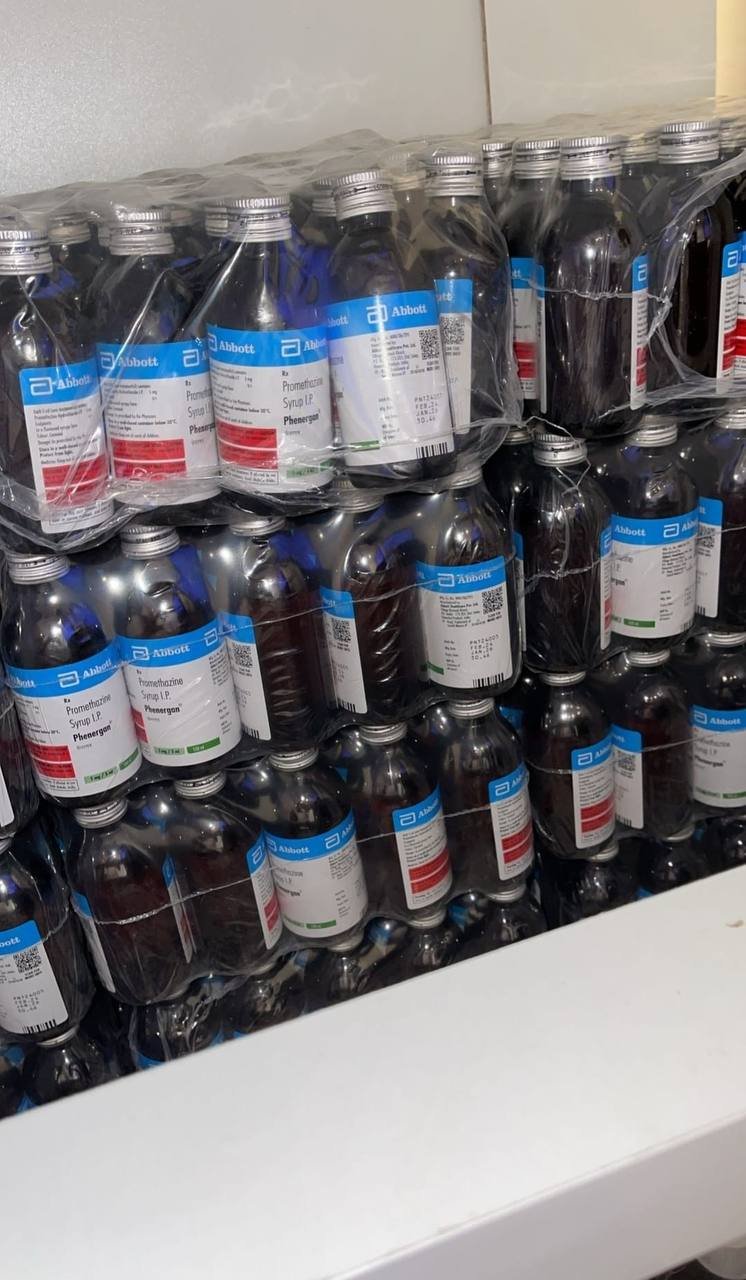
Jarabe Abbott Phenergan (manufactured by Abbott Laboratories) is a prescription medication containing Promethazine hydrochloride (5 mg/5 mL), an antihistamine with sedative, antiemetic (anti-nausea), and anticholinergic properties. It’s commonly used in syrup form for easier administration, especially in children and adults who have difficulty swallowing tablets.
Primary Uses (Indications):
Evidence: Approved by regulatory bodies like the FDA (as Phenergan) and equivalents in countries like Pakistan/India where Abbott Phenergan Syrup markets it. Promethazine’s efficacy is supported by clinical studies, e.g., a 2018 Cochrane review confirming its antiemetic effects in postoperative settings (RR 0.53 for vomiting prevention).
Dosage Guidelines (Adults/Children – Consult a Doctor):
| Grupo De Edad | Typical Dose (per day) | Notas |
|---|---|---|
| Adults | 20-25 mg, 2-4 times daily (max 100 mg/day) | For nausea: 25 mg at bedtime. |
| Children (2-5 years) | 5-10 mg, 2-3 times daily | Weight-based: 0.1 mg/kg/dose. |
| Children (5-10 years) | 10-25 mg, 2-3 times daily | Not for under 2 years (black box warning). |
| Max daily (kids >10 yrs) | 25 mg | Dilute if needed; shake well. |
Source: Product insert from Abbott Phenergan Syrup (e.g., Pakistan leaflet) and FDA labeling. Always follow physician prescription—doses vary by condition/weight.
How it Works:
Promethazine blocks H1 histamine receptors (reducing allergy symptoms), dopamine D2 receptors (anti-nausea), and has alpha-adrenergic blocking effects (sedation). It crosses the blood-brain barrier, causing drowsiness. Onset: 20-30 minutes (oral); duration: 4-6 hours.
Side Effects (Common to Serious):
Evidence: FDA black box warning (2004) bans use in children <2 due to fatal respiratory depression (post-marketing reports). A 2019 study in Pediatrics linked it to 20+ child deaths.
Precautions & Contraindications:
Availability & Pricing (Approximate):
Important Disclaimer: This is general information based on official product data (Abbott leaflets, FDA/Medsafe approvals). Esto no es consejo médico.—consult a healthcare professional for personalized use, as self-medication can be dangerous. If you have symptoms or a prescription, see a doctor/pharmacist. For full details, check local drug authority sites

 English English
  German
 Italian
 Dutch
Dutch
 Spanish