Product Description
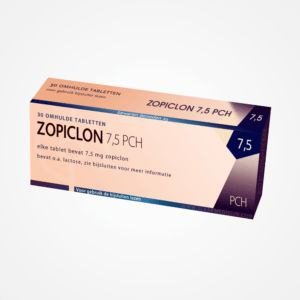
Zopiclon 7.5mg
Zopiclone (often misspelled as “Zopiclon”) is a non-benzodiazepine hypnotic (commonly called a “Z-drug”) used short-term to treat insomnia in adults. The 7.5 mg dose is the standard adult dose. Here’s a factual breakdown based on medical guidelines (e.g., from FDA, EMA, and sources like Drugs.com, Medscape, and British National Formulary):
Key Uses
- Helps initiate and maintain sleep in people with severe sleep disturbances.
- Not for long-term use: Recommended for max 2–4 weeks to avoid dependence. Not for chronic insomnia without addressing underlying causes.
How It Works
- Enhances GABA (a brain chemical that calms activity) via the GABA-A receptor, similar to benzodiazepines but more selective for sleep.
- Onset: 30–60 minutes. Peak effect: 1–2 hours. Duration: 6–8 hours (may cause next-day drowsiness).
Dosage Guidelines
| Population | Recommended Dose | Notes |
|---|---|---|
| Adults (18–64) | 7.5 mg once daily at bedtime | Take on an empty stomach; allow 7–8 hours for sleep. |
| Elderly (>65) | 3.75 mg (half tablet) | Increased sensitivity to side effects. |
| Hepatic/Renal Impairment | Start at 3.75 mg or avoid | Dose adjustment needed. |
| Children | Not recommended | Safety not established. |
- Missed dose: Skip if not bedtime; don’t double up.
- Overdose: Seek emergency help (symptoms: extreme drowsiness, coma). Naloxone not effective; supportive care required.
Common Side Effects (affect >1 in 10 people)
- Bitter/metallic taste (up to 1 in 3 users).
- Dry mouth, drowsiness, dizziness.
Serious Side Effects (rare but seek medical help)
| Side Effect | Frequency | Risk Factors |
|---|---|---|
| Sleepwalking/driving** (complex behaviors) | 1–10% | Alcohol, other sedatives. |
| Memory loss/amnesia | Common | Higher doses. |
| Dependence/withdrawal** (anxiety, rebound insomnia) | With prolonged use | Abrupt stop after >2 weeks. |
| Allergic reactions** (rash, swelling) | Rare | History of allergies. |
| Falls/fractures** (esp. elderly) | Increased risk | Dizziness. |

Interactions & Warnings
- Avoid with: Alcohol (dangerous sedation), opioids (respiratory depression), other CNS depressants (e.g., benzodiazepines), CYP3A4 inhibitors (e.g., ketoconazole increases levels).
- Contraindications: Myasthenia gravis, severe respiratory failure, sleep apnea, pregnancy (category C; risk of floppy infant syndrome), breastfeeding.
- Tolerance builds quickly: Effectiveness drops after 1–2 weeks.
- Driving: Don’t drive until you know effects (residual impairment common next day).
Evidence & Effectiveness
- Meta-analyses (e.g., Cochrane Review 2018): Reduces time to sleep onset by ~20 minutes vs. placebo, but benefits wane quickly. No strong evidence for long-term use.
- Alternatives: CBT-I (first-line, non-drug), melatonin, or other hypnotics like zolpidem (similar profile).