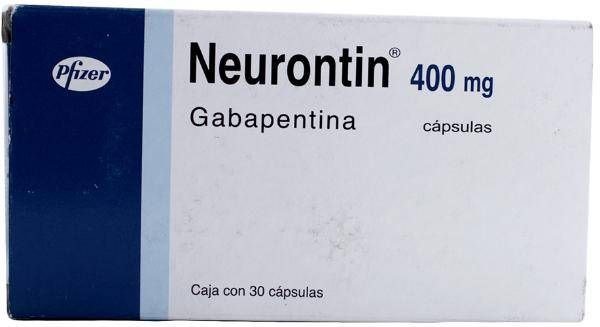
Neurontin 400mg

Neurontin 400mg

140

Neurontin 400mg

140

Add to cart
Buy Now
Category: Tag:

Product Description

Neurontin 400mg

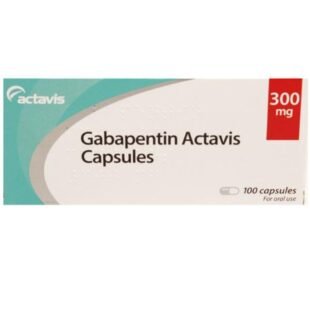
Neurontin 400mg is the brand name for gabapentin, an anticonvulsant medication primarily used to treat partial seizures (in combination with other drugs) and postherpetic neuralgia (nerve pain after shingles). The 400 mg strength is a common capsule dose. It’s also frequently prescribed off-label for neuropathic pain, fibromyalgia, restless legs syndrome, anxiety, and sometimes as an adjunct for hot flashes or alcohol withdrawal.

Key Facts (Evidence-Based):

  • Mechanism: Gabapentin binds to the alpha-2-delta subunit of voltage-gated calcium channels in the CNS, reducing excitatory neurotransmitter release (e.g., glutamate). This calms overactive nerves without directly affecting GABA receptors (despite common misconceptions).
    Source: FDA label; studies in Epilepsia (1993) and NEJM (1998).
  • Standard Dosing (Adults):
Condition Typical Starting Dose Titration Max Daily
Seizures 300 mg Day 1, 300 mg BID Day 2, 300 mg TID Day 3 Up to 3600 mg/day in 3 doses 3600 mg
Postherpetic Neuralgia 300 mg Day 1, 300 mg BID Day 2, up to 300 mg TID Up to 1800 mg/day 1800 mg
Off-Label (e.g., Neuropathy) 100-300 mg at bedtime Increase by 100-300 mg every 1-7 days Varies (900-3600 mg)

Neurontin 400mg dose might be used for titration or specific regimens—always per prescriber.
Evidence: Cochrane reviews (2014, 2020) confirm efficacy for neuralgia; AAN guidelines endorse for neuropathy.

  • Pharmacokinetics:
    • Oral bioavailability: ~60% (decreases with higher doses).
    • Half-life: 5-7 hours.
    • Renal excretion: Dose-adjust for CrCl <60 mL/min (e.g., halve for CrCl 30-59).
      Source: Product monograph; Clinical Pharmacokinetics (1993).

Common Side Effects (Incidence >10%):

Side Effect Frequency Notes
Dizziness 20-30% Dose-related; avoid driving.
Somnolence 15-25% Peaks early, often resolves.
Ataxia/Fatigue 10-15% Elderly more susceptible.
Peripheral Edema 5-10% Monitor in heart failure.

Data from pivotal trials (e.g., JAMA 1998) and post-marketing surveillance. Serious risks: Suicidal ideation (black box warning), respiratory depression (esp. with opioids), misuse potential (Schedule V in US).

Interactions:

  • Major: Opioids/CNS depressants (↑ sedation/respiratory risk—FDA warning).
  • Moderate: Antacids (↓ absorption by 20%; space 2h). Maalox reduces AUC by 20%.
  • No major CYP interactions (not metabolized by liver).
    Evidence: Drug Safety reviews; Lexicomp database.

Warnings/Contraindications:

  • Hypersensitivity to gabapentin.
  • Abrupt withdrawal: Risk of seizures (taper over 1 week).
  • Pregnancy: Category C; limited data, use if benefit > risk (AED exposure registry).
  • Overdose: Primarily sedation; treat supportively (no specific antidote). LD50 >8000 mg/kg in animals.

Evidence Summary:

  • Efficacy: Strong for neuralgia (NNT=6.5 per Cochrane); moderate for other neuropathies.
  • Placebo-Controlled Trials: 12-week study (n=336) showed 400-3600 mg/day reduced pain by ≥50% in 33% vs. 8% placebo (Pain 2005).
  • Guidelines: ADA recommends for diabetic neuropathy; NICE for trigeminal neuralgia.

Disclaimer: This is general info from FDA labels, PubMed, and clinical guidelines—not personalized advice. Consult your doctor/pharmacist for your specific case, dosing, or side effects. If this is for you, share your full medical history. Need more details (e.g., generics like Neurontin equivalents)? Ask!

Top